Fungi
Fungus
Fungi are a group of living organisms, including mushrooms, moulds, and yeasts, that belong to their own distinct biological kingdom. The Latin word fungus means mushroom (singular) with ‘fungi’ being the plural form. They play a key role in our natural environment as they break down organic matter, like dead plants and wood, as well as dead animals and animal waste. They break down the tough materials that bacteria can’t, and in doing so release carbon, nitrogen, and other nutrients back into the soil and air. This continuous cycle of decomposition is what makes fungi such an important part of the nutrient cycle, which is essential for plant growth and new life.
When we talk about fungus we are talking about the entire organism with the majority often hidden underground or within tree trunks. The term mushroom is the visible fruiting body that a number of species produce. However, most fungal species are microscopic and include the moulds, rusts, yeasts and mildews. After insects Fungi are considered to be the second most diverse group of organisms.
There are around 70-80 highly poisonous species of mushrooms with the best known one from an Australian perspective being the Death Cap (Amanita phalloides). Unfortunately many of these poisonous mushrooms resemble edible varieties so collecting wild mushrooms can be a dangerous gamble unless you know what you are doing.
So what do you need to know about fungi?
- Fungi are not plants or animals; they belong in their own separate kingdom. However, research has shown that fungi are closer relatives of animals than plants with the chitin that makes up fungal cell walls also being found in insect exoskeletons.¹
- What’s more, over 100 species of fungi have been found to degrade plastics, with two species being able to breakdown samples of plastics within 140 days.¹
- A species of honey fungus (Armillaria ostoyae) discovered in 1998 was estimated to cover roughly 2,384 acres of Oregon Forest. The fungus has survived for over 2,400 years, surviving on living and dead wood.¹
- Over 110 species of fungi can glow in the dark. Sometimes only the underground network of mycelium can glow, while in other species, the mushrooms can glow. In the UK, a UV light can be used to see sulphur tuft mushrooms glow. It is thought that glowing mushrooms can attract insects to spread their spores.¹
- It is estimated that there are somewhere between 2.2 to 3.8 million species of fungus in existence with only around 120,000 currently accepted species, it appears that at best just 8%, and in the worst case scenario just 3%, are named so far. Improved estimates hinge particularly on reliable statistical and phylogenetic approaches to analyse the rapidly increasing amount of environmental sequence data.²
- Some fungi create zombie ants. Yes, you read that right: zombie ants! The fungus responsible is the Ophiocordyceps unilateralis, found deep in the Amazon rainforest. This sinister parasite infects the carpenter ant, growing through its body before eventually taking over its brain. It then compels the poor, hijacked insect to leave its nest and climb to a nearby plant – which just so happens to be in the perfect environmental conditions for fungus growth.³ This concept is the basis for the streaming series “The Last of us”.
- World Fungus day 2 October
- International Mushroom day 15 October
Fungi Jokes
The following is what can only be best described as fungi ‘dad jokes’.
- Q: What did the girl mushroom say to the boy mushroom?
- A: You’re a fun-gi.
- Q: What type of car does a fungus drive
- A: A spores car.
- Q:What did the mushroom request when booking his hotel?
- A: A shroom with a view.
- Q:What does a mushroom do for fun?
- Play spore-ts.
- Q: Why couldn’t the mushroom get into the club?
- A: He wasn’t mould enough.
- Q: What do you call a mushroom that wins races?
- A champignon!
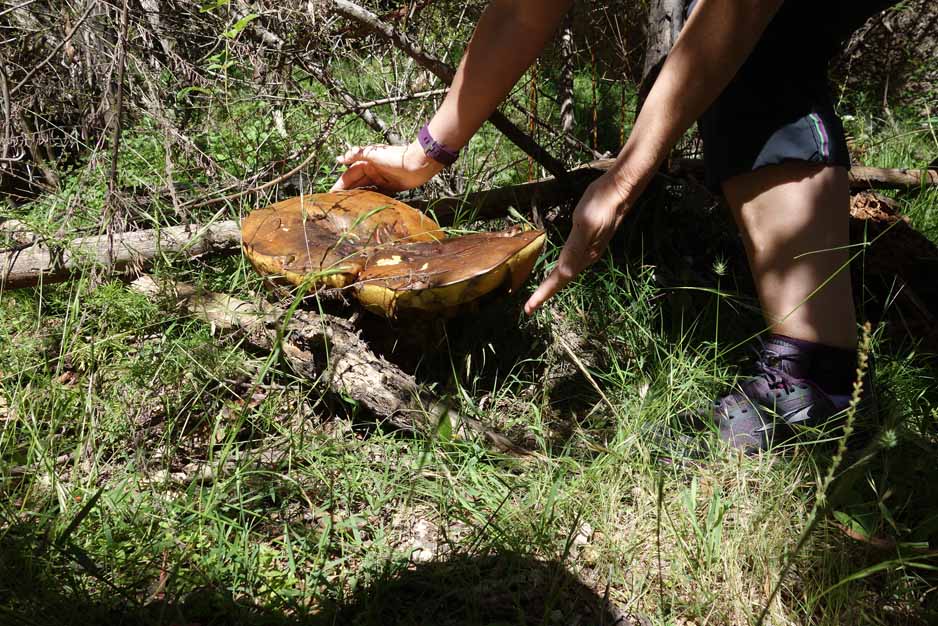
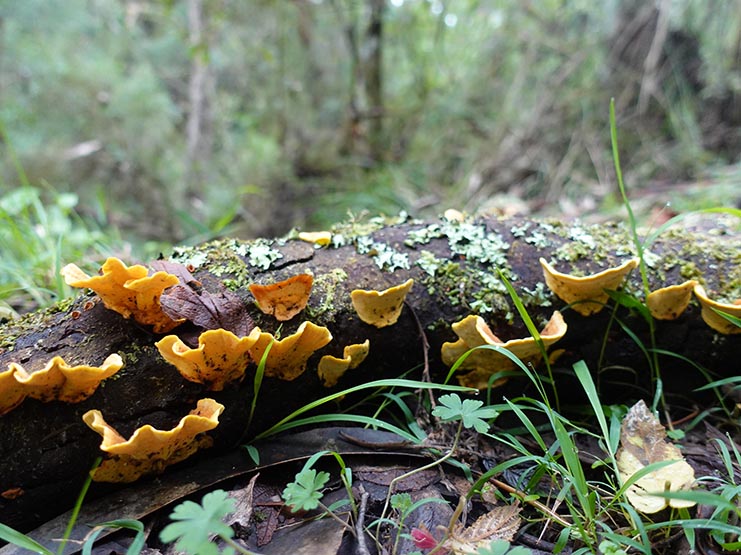
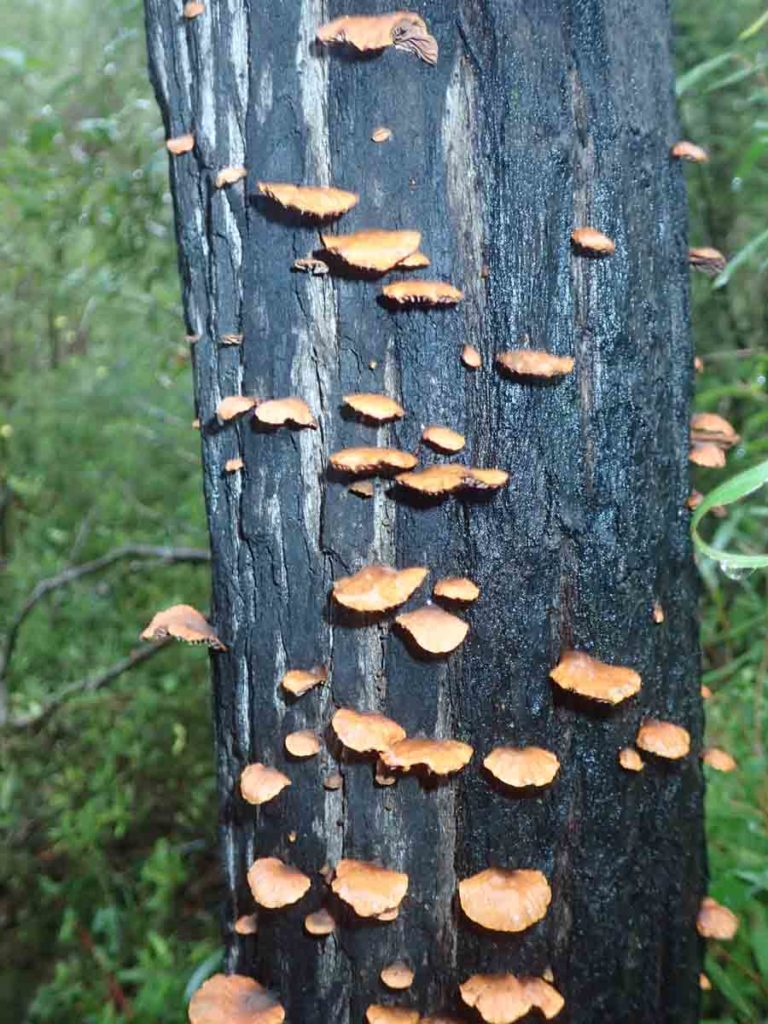
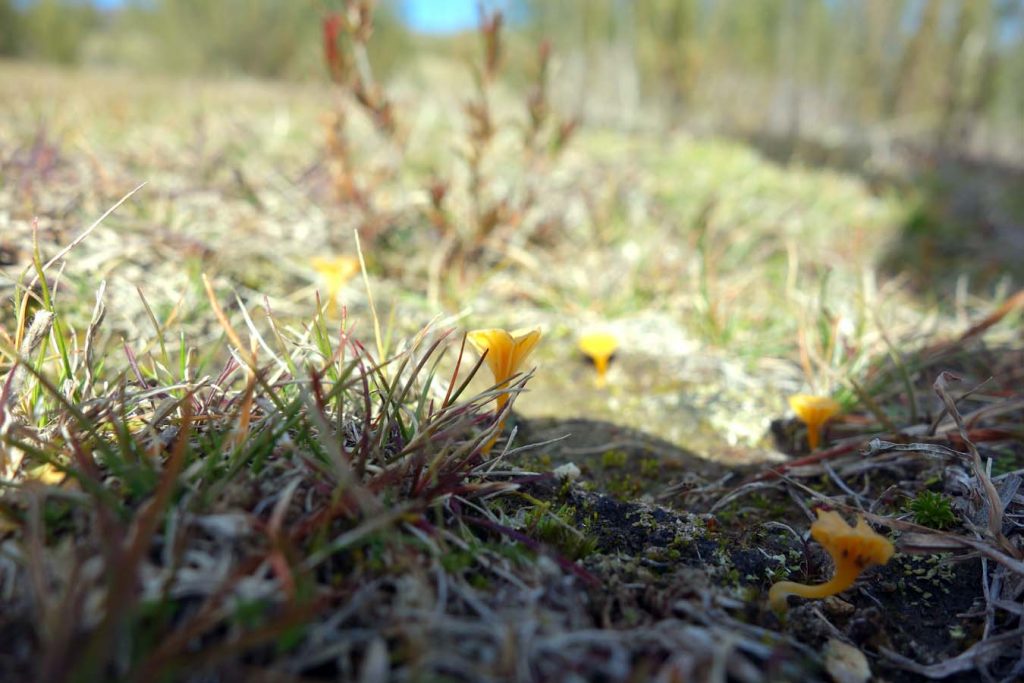
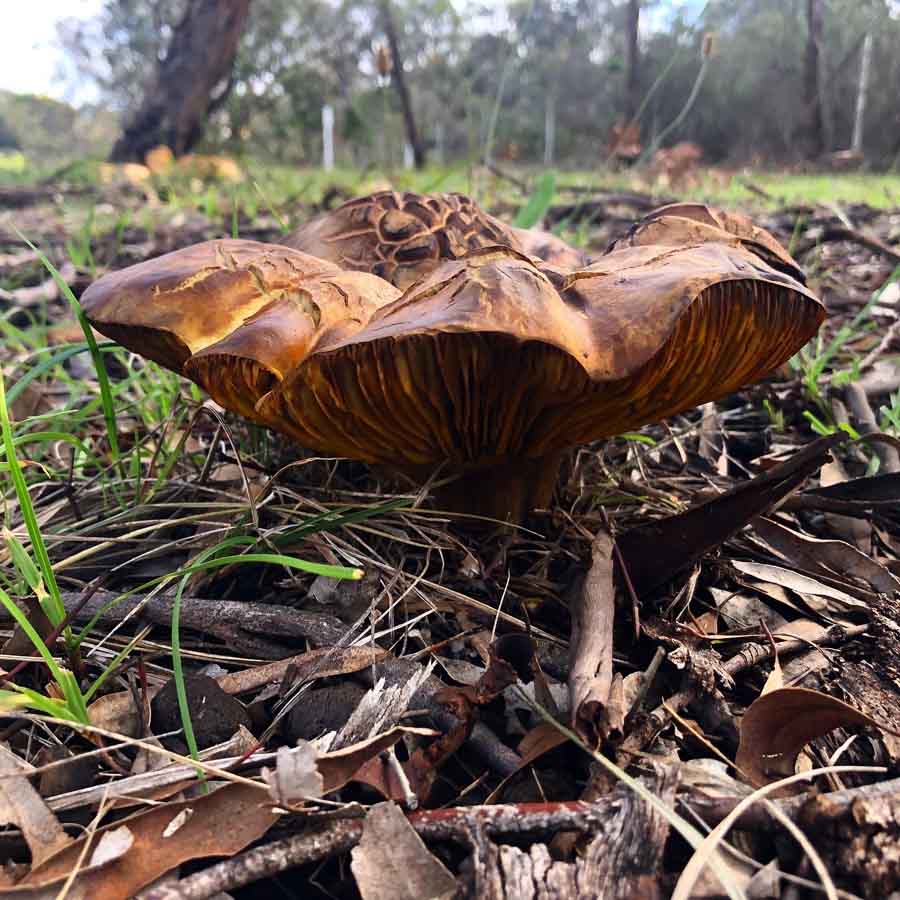
The following images are a selection of fungi photos that I’ve taken over the years.








Resources
- All images in this article have been taken by Australian Hiker
- https://www.rhs.org.uk/science/articles/fun-fungi-facts
- https://pmc.ncbi.nlm.nih.gov/articles/PMC11687528/
- https://www.britannica.com/science/zombie-ant-fungus
Last updated
2 October 2026